Choosing the Right Fabric for Your Quilt Project
Quilting is an art form that combines creativity, craftsmanship, and a deep appreciation for textiles. Selecting the right fabric for your quilt project can significantly impact the final outcome, both in terms of aesthetics and functionality. With countless options available, it can be overwhelming to make a choice. This guide will help you navigate the fabric selection process, ensuring your quilt not only looks beautiful but also stands the test of time.
Understanding Fabric Types
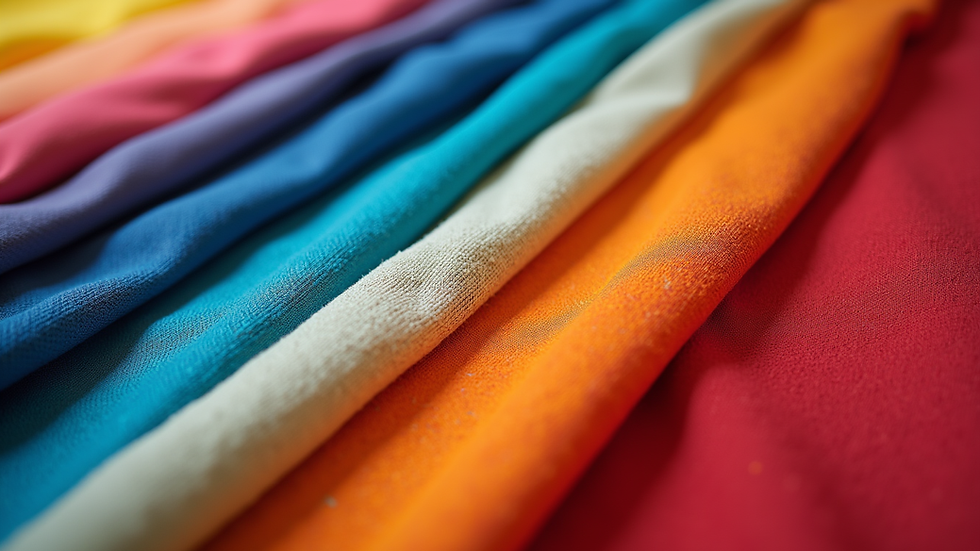
When it comes to quilting, understanding the different types of fabric is crucial. Each fabric type has its own unique properties, which can affect the look and feel of your quilt.
Cotton
Cotton is the most popular choice for quilting due to its versatility, durability, and ease of use. It comes in various weights and finishes, making it suitable for both beginners and experienced quilters. Here are some key points about cotton fabric:
Breathability: Cotton is breathable, making it comfortable for quilts used in bedding.
Variety: Available in countless prints and colors, cotton allows for endless creativity.
Ease of Care: Cotton can be machine washed and dried, making it practical for everyday use.
Batik
Batik fabric is known for its unique dyeing process, which creates intricate patterns and vibrant colors. This fabric is often made from cotton but has a distinct texture and appearance. Consider batik if you want to add a touch of artistry to your quilt.
Unique Patterns: Each piece of batik fabric is one-of-a-kind, adding character to your quilt.
Colorfastness: Batik fabrics are typically colorfast, meaning they won’t bleed in the wash.
Flannel
Flannel is a soft, warm fabric that is perfect for cozy quilts. It is especially popular for winter quilts or baby blankets. Here are some characteristics of flannel:
Warmth: Flannel provides extra warmth, making it ideal for colder climates.
Softness: The soft texture of flannel is gentle against the skin, perfect for baby quilts.
Linen
Linen is a natural fabric made from flax fibers. While it is less common for quilting, it can add a unique texture and elegance to your projects. Here are some points to consider:
Durability: Linen is strong and becomes softer with each wash.
Breathability: Like cotton, linen is breathable, making it suitable for warm climates.
Choosing the Right Weight
Fabric weight is another important factor to consider when selecting materials for your quilt. The weight of the fabric can affect the drape and overall feel of the quilt.
Lightweight Fabrics
Lightweight fabrics, such as cotton lawn or voile, are great for delicate quilts or summer throws. They drape beautifully but may require more care during the quilting process.
Medium-weight Fabrics
Medium-weight cotton is the standard choice for most quilting projects. It provides a good balance of durability and ease of handling.
Heavyweight Fabrics
Heavyweight fabrics, like canvas or denim, can be used for quilts that need to withstand heavy use. These fabrics are more challenging to work with but can create stunning, durable quilts.
Color and Pattern Considerations
The color and pattern of your fabric can dramatically influence the overall look of your quilt. Here are some tips for selecting colors and patterns:
Color Theory
Understanding basic color theory can help you choose fabrics that complement each other. Here are some concepts to keep in mind:
Analogous Colors: Colors that are next to each other on the color wheel create a harmonious look.
Complementary Colors: Colors that are opposite each other on the color wheel can create a vibrant contrast.
Patterns
When selecting patterned fabrics, consider how they will work together in your quilt. Mixing patterns can add interest, but it’s essential to maintain balance. Here are some tips:
Scale: Use a mix of large, medium, and small patterns to create visual interest.
Balance: Pair busy patterns with solid fabrics to avoid overwhelming the design.
Fabric Pre-Washing
Before starting your quilt project, it’s essential to pre-wash your fabrics. This step serves several purposes:
Shrinkage: Pre-washing helps prevent future shrinkage after the quilt is completed.
Colorfastness: Washing can reveal if any fabrics bleed, allowing you to address issues before sewing.
Tools for Cutting and Sewing
Having the right tools can make a significant difference in your quilting experience. Here are some essential tools to consider:
Rotary Cutter
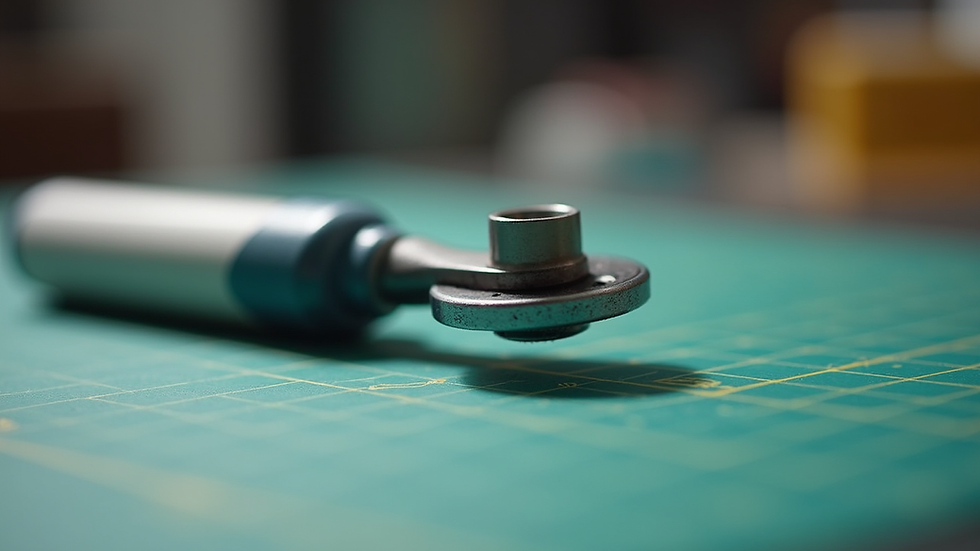
A rotary cutter allows for precise cutting of fabric, making it easier to achieve clean edges. Pair it with a cutting mat for the best results.
Quilting Ruler
A quilting ruler helps ensure accurate measurements and straight cuts. Look for a ruler with clear markings for easy reading.
Sewing Machine
Investing in a good sewing machine can enhance your quilting experience. Look for features like a walking foot, which helps feed multiple layers of fabric evenly.
Quilting Techniques
Once you have selected your fabric and gathered your tools, it’s time to start quilting. Here are some popular techniques to consider:
Patchwork
Patchwork involves sewing together different fabric pieces to create a larger design. This technique allows for endless creativity and can be as simple or complex as you desire.
Appliqué
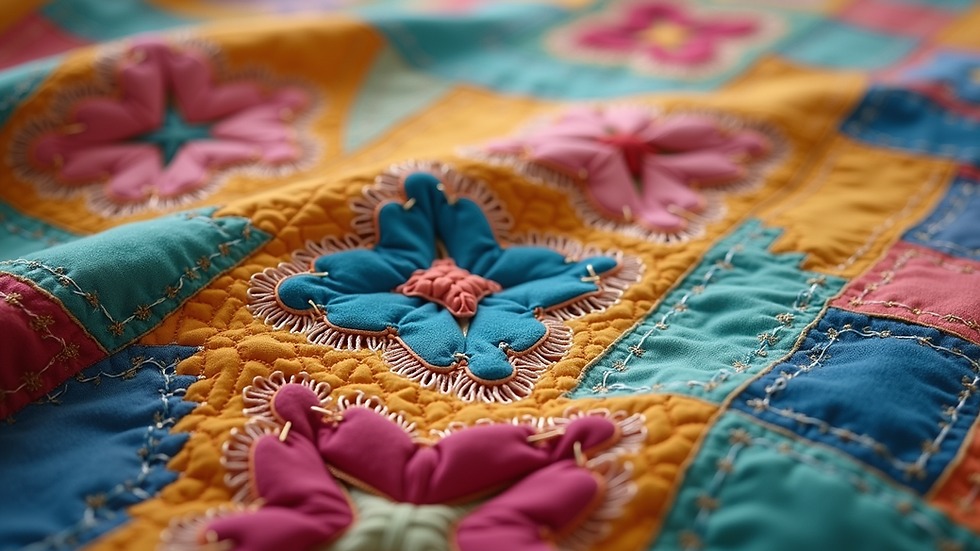
Appliqué involves sewing a piece of fabric onto a larger piece to create a design. This technique can add depth and texture to your quilt.
Quilting
Quilting is the process of sewing through the layers of the quilt to hold them together. There are various quilting techniques, including straight-line quilting, free-motion quilting, and hand quilting.
Caring for Your Quilt
Once your quilt is complete, proper care will ensure it lasts for years to come. Here are some tips for maintaining your quilt:
Washing: Use a gentle cycle and mild detergent when washing your quilt. Avoid bleach, as it can damage the fabric.
Drying: Air drying is best for quilts, but if you use a dryer, opt for a low heat setting.
Storage: Store your quilt in a cool, dry place to prevent mold and mildew.
Final Thoughts
Choosing the right fabric for your quilt project is a crucial step that can influence the final product. By understanding the different fabric types, weights, colors, and patterns, you can make informed decisions that enhance your quilting experience. Remember to pre-wash your fabrics, invest in the right tools, and care for your quilt properly to ensure it remains a cherished piece for years to come.
As you embark on your next quilting adventure, take the time to explore various fabric options and techniques. The right fabric can transform your quilt from a simple project into a stunning work of art. Happy quilting!
Comments