Top 5 Quilting Tools to Enhance Your Craft
Quilting is more than just a hobby; it’s a passion that allows you to express your creativity while creating beautiful, functional pieces. Whether you are a seasoned quilter or just starting, having the right tools can significantly enhance your quilting experience. In this post, we will explore the top five quilting tools that can elevate your craft and make the process smoother and more enjoyable.
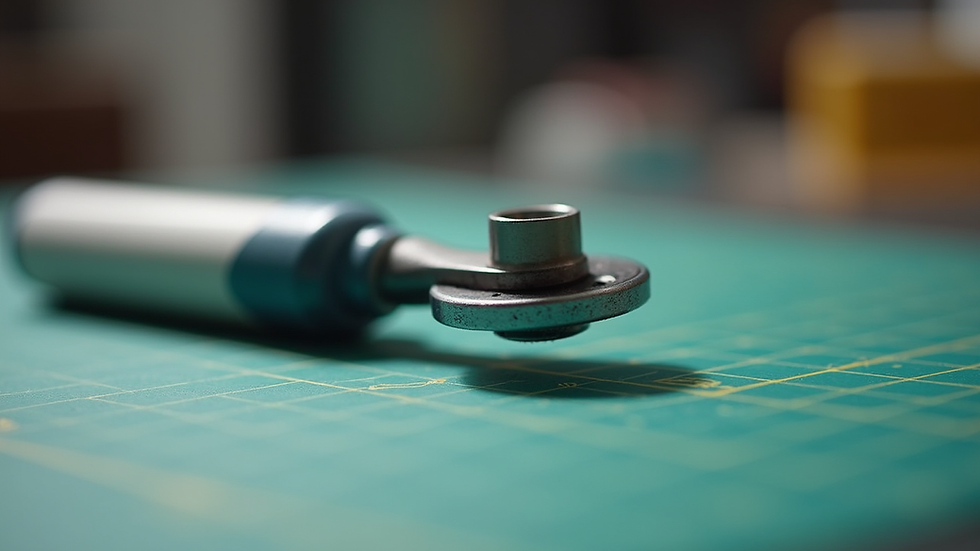
1. Rotary Cutter
A rotary cutter is an essential tool for any quilter. Unlike traditional scissors, a rotary cutter allows for precise and clean cuts through multiple layers of fabric. This tool is especially useful when working with intricate patterns or when you need to cut straight lines quickly.
Benefits of Using a Rotary Cutter
Speed: Cuts fabric much faster than scissors.
Precision: Achieve clean edges and accurate measurements.
Versatility: Can be used for various fabric types and thicknesses.
Tips for Using a Rotary Cutter
Always use a cutting mat to protect your surfaces and prolong the life of your blade.
Keep your blade sharp for the best results. Dull blades can lead to jagged edges and uneven cuts.
Use a ruler to guide your cuts for added accuracy.
2. Quilting Ruler
A quilting ruler is another indispensable tool that complements the rotary cutter. These rulers come in various sizes and shapes, allowing you to measure and cut fabric accurately.
Features of a Good Quilting Ruler
Clear markings: Look for rulers with easy-to-read measurements.
Non-slip backing: This feature helps keep the ruler in place while cutting.
Variety of shapes: Different shapes can help with various quilting techniques.
How to Use a Quilting Ruler
Align the ruler with your fabric, ensuring that the markings correspond to your desired cut.
Use the rotary cutter along the edge of the ruler for a straight cut.
For angled cuts, many rulers have diagonal lines that can guide your cuts.
3. Sewing Machine
While hand sewing is a traditional method, a sewing machine can save you time and provide more consistent results. Modern sewing machines come with various features that can enhance your quilting experience.
Key Features to Look For
Free-motion quilting capability: This allows you to move the fabric freely under the needle, creating intricate designs.
Walking foot: This attachment helps feed multiple layers of fabric evenly, preventing puckering.
Built-in stitches: Many machines offer decorative stitches that can add flair to your quilts.
Choosing the Right Sewing Machine
When selecting a sewing machine, consider your quilting needs and budget. Brands like Bernina, Brother, and Janome offer a range of machines suitable for different skill levels and budgets.
4. Iron and Ironing Board
An often-overlooked tool in quilting is the iron. Pressing your seams and fabric before and after sewing is crucial for achieving a polished look.
Importance of Ironing in Quilting
Sets seams: Pressing helps to set the stitches, making them more secure.
Removes wrinkles: Smooth fabric is easier to work with and results in a neater finished product.
Aligns pieces: Pressing helps ensure that your fabric pieces align correctly before sewing.
Tips for Effective Ironing
Use a steam iron for better results, as the steam helps to relax the fibers in the fabric.
Invest in a good-quality ironing board that provides a stable surface.
Always press seams open or to one side as required by your pattern for the best results.
5. Quilting Clips
While pins have been the traditional choice for holding fabric pieces together, quilting clips are gaining popularity for their ease of use and effectiveness.
Advantages of Using Quilting Clips
No pinholes: Clips do not leave holes in your fabric, making them ideal for delicate materials.
Easy to use: They can be quickly attached and removed, saving time during the quilting process.
Strong grip: Clips hold multiple layers of fabric securely without slipping.
How to Use Quilting Clips
Place clips along the edges of your fabric pieces before sewing.
Use them to hold binding in place while you sew it onto your quilt.
They are especially useful for curved seams where pins may not hold as effectively.
Conclusion
Investing in the right quilting tools can significantly enhance your crafting experience. From rotary cutters to quilting clips, each tool plays a vital role in achieving beautiful results. By incorporating these tools into your quilting routine, you can improve your efficiency, precision, and overall enjoyment of the craft.
As you explore these tools, remember that practice makes perfect. Don’t hesitate to experiment and find what works best for you. Happy quilting!
Comments